


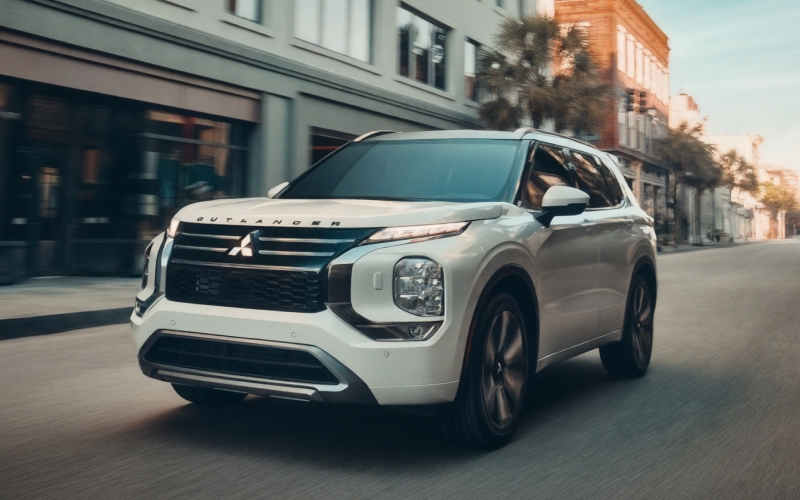
Southtowne Mitsubishi - Why Utah skiers trust Mitsubishi Outlander S-AWC on canyon mornings near Orem, UT
Ask any Wasatch skier about the toughest minutes of the day, and you will hear the same answer: the predawn drive from the valley to the mountains when temperatures are lowest, plows are still circling, and wind scours the open stretches between neighborhoods and canyons. The Mitsubishi Outlander’s available Super All-Wheel Control (S-AWC) proves its worth right there, where compacted snow shines like glass at stoplights and shaded ramps hide glossy patches until you are loaded into the merge. What separates S-AWC from basic AWD is its integration of torque distribution, brake-based yaw control, and stability systems that work together to keep the vehicle calm before wheels flare into a slide. You sense it as steadier, more linear steering and more measured step-offs from slick intersections, especially in Snow mode, which softens initial throttle to help you build grip instead of spinning it away.
The Outlander’s drive modes are more than labels. Snow reduces tip-in and relaxes early upshifts to keep the CVT in a stable, traction-friendly range. Gravel holds ratios to keep torque on tap over washboard or plowed dirt access lanes. Mud allows a touch more wheel rotation to clear slush-filled ruts in wind-swept parking lots. Tarmac returns crisp response once dry pavement asserts itself on the valley floor. The point is simple: conditions change block by block between Orem and the canyon mouth, and a winter-ready SUV should change with them. That is precisely how S-AWC is tuned—quietly adapting under your hands while you focus on a clear line, gentle inputs, and smart spacing.
Visibility and comfort matter equally. Available heated mirrors and an available front wiper de-icer reduce two of winter’s most frustrating delays. Dual-zone climate control helps keep glass dry, and the available head-up display lets you monitor speed and navigation cues without looking down when snow starts to fly. The multi-view camera system is a hidden winter hero, giving you a top-down look around snowbanks, plow walls, and tight condo lots at dawn. Inside, three-row seating means the second row can pass skis down the center section, or you can fold more space and use roof racks for boards and bags. Thoughtful cargo solutions prevent wet gear from fogging glass and keep your focus on the road after last chair.
The Dynamic Sound Yamaha system is more than a luxury on winter mornings. Speed Compensated Volume raises output as road roar escalates on slushy lanes, while Rain Compensated Volume keeps music intelligible in heavy precipitation by syncing with wiper activity. On certain configurations, Air-Conditioner Compensated Volume offsets the increase in blower speed when you hit MAX defrost. Those touchpoints reduce the small distractions that pile up under stress, leaving you calmer and more precise behind the wheel.
- Tires: Choose 3PMSF-rated winter tires for the temperature range you actually drive, not just deep snow days.
- Tread depth: Replace at 5/32-inch for winter duty; 2/32-inch is below legal minimum and unsafe on wet ice.
- Pressure: Expect about 1 psi drop per 10 degrees Fahrenheit; check weekly in cold snaps.
- Alignment: Correcting pull and toe protects tire grip on rutted, icy roads and stabilizes lane changes.
- Brakes: Crisp, linear pedal feel shortens stops on packed snow—inspect pads and rotors pre-season.
- Fluids: Use full-strength winter washer fluid and verify a 50/50 coolant mix for freeze protection.
- Wipers: New blades and aimed nozzles are cheap insurance for sleet-heavy commutes.
- Emergency kit: Pack a shovel, traction aids, blankets, gloves, and a compact jump pack.
UDOT traction laws escalate quickly during active restrictions. S-AWC and even new all-terrain tires do not replace the cold-weather compounds and siping you get with winter tires. If you drive early to beat canyon closures, prioritize 3PMSF tires, a recent alignment, and a battery check. The Outlander’s available 8.3 inches of ground clearance helps crest plow berms at driveway entries and trailhead parking, but smooth inputs still rule—roll gently onto the throttle, brake earlier with lighter pressure, and keep your wheel movements small so S-AWC can help you hold the line instead of rescuing a big slide.
Outlander PHEV shoppers get unique winter benefits worth considering. Preconditioning can warm the cabin and defrost windows while plugged in, reducing cold-start strain and speeding up departure. Electric torque arrives instantly at low speeds, which can help smooth starts on slick surfaces. Regenerative braking provides gentle deceleration that, used mindfully, can keep weight transfer tidy on long, snowy descents. For drivers splitting time between valley schools, a university commute, and in-bounds mornings when the rope drops, those are meaningful differences you can feel in your routine.
- Plan your test drive: Include a plowed neighborhood, a crowned frontage road, and a freeway merge to sample Snow and Tarmac modes back-to-back.
- Bring questions: Ask which trims add the wiper de-icer, head-up display, heated wheel, and the 360-degree camera system.
- Talk tires: Discuss 3PMSF winter tire options and whether your routes warrant studless ice-focused rubber or a snow-biased performance winter.
- Check accessories: Evaluate roof racks, cargo boxes, and all-weather mats that make ski days cleaner and quicker.
- Schedule service: Align, balance, replace wipers, and verify battery health before your first storm commute.
Finally, build the habit set that keeps you out of trouble. Clear snow from the entire vehicle, not just a porthole; snow sheets from the roof can blind you or others on the first stop. Keep your fuel level above half to reduce condensation and ensure heat if traffic stalls. Avoid cruise control on patchy ice, and leave generous space on bridges and overpasses that freeze first. S-AWC is excellent at smoothing the edges, but the human inputs—calm, early, and small—produce the biggest gains in safety and consistency.
From the morning line at the canyon mouth to late-night exits after a midweek refill storm, the Outlander proves that engineering details make a tangible difference in Utah’s layered winter. If you want help tailoring a winter setup—tires, accessories, and a maintenance plan—to your exact route and schedule, our team is ready to share local insight and practical options that work on the roads you drive most. Southtowne Mitsubishi is proud to be a knowledgeable resource, serving Orem, Provo, and St. George with the preparation, parts, and guidance that keep a good winter vehicle great through the full season.
Request more Mitsubishi Outlander information
Categories:
Mitsubishi Outlander