


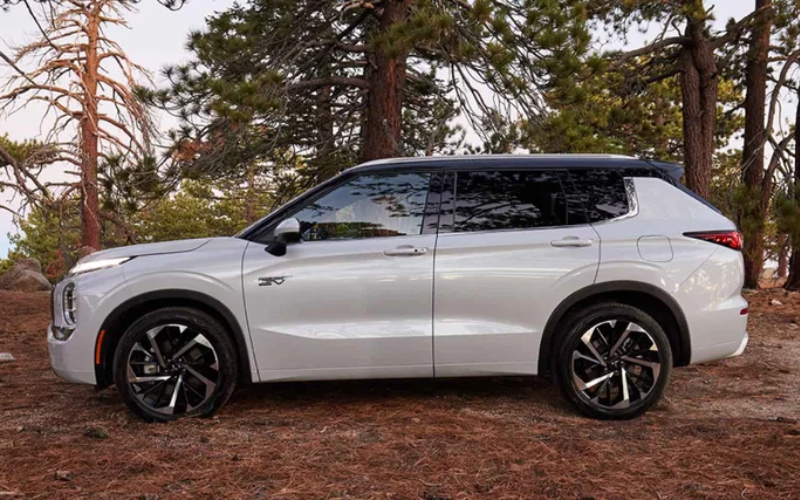
Southtowne Mitsubishi - Outlander PHEV in Utah — Rocky Mountain Power EV Rates & Savings
The Mitsubishi Outlander PHEV fits Utah life in a way few SUVs can. Daily errands along the Wasatch Front run almost entirely on electricity, while weekend escapes to Park City, Moab, or Zion tap into efficient hybrid power and confidence-inspiring all-wheel control. Pair that versatility with Rocky Mountain Power’s EV time-of-use options, and charging costs can drop substantially compared with fueling a gasoline-only SUV. This guide breaks down how the Outlander PHEV works in Utah’s climate and terrain, how to use Rocky Mountain Power rate plans to your advantage, and what to expect for real-world savings.
What sets the Outlander PHEV apart is the dual benefit of an EPA-estimated electric range for short trips plus a gasoline engine for long journeys. Many Utah drivers commute fewer than 40 miles a day, which means home charging overnight can cover most weekday needs without a stop at a station. When routes stretch up I-15 or over mountain passes, the hybrid system seamlessly extends range with excellent efficiency. Add Mitsubishi’s Super All-Wheel Control and multiple drive modes, and the package handles snowy mornings in Cottonwood Heights or high-desert heat in Washington County with equal poise.
Electricity prices in Utah are among the nation’s most affordable, and Rocky Mountain Power’s time-based pricing can make off-peak charging even more economical. The key is simple—charge when demand is low. Late-evening and overnight windows typically offer lower rates than late-afternoon and early-evening peaks. With a Level 2 home charger and a scheduled charging routine, it becomes easy to let the utility’s rate clock work in your favor, all while waking up to a fully charged battery.
How Rocky Mountain Power EV rates translate to real savings
The Outlander PHEV’s battery capacity is roughly 20 kWh, delivering an EPA-estimated 38 miles of electric driving. That pencils out to about 0.52 kWh per mile. To estimate cost per mile, multiply your kWh rate by 0.52. For example, at $0.08 per kWh during an off-peak window, electric miles cost roughly $0.04 per mile. Compare that with a gasoline SUV that averages $0.13 per mile at $3.50 per gallon and 27 mpg. Even if off-peak power in your area is slightly higher, the per-mile advantage for electricity is typically compelling.
Let’s frame it for a typical Wasatch Front commute. Assume 12,000 miles per year and 70 percent of miles on electricity (a conservative split for drivers who plug in routinely). That is 8,400 electric miles and 3,600 hybrid miles. Using the $0.04-per-mile electric estimate, those 8,400 miles cost about $336 in electricity annually. If the remaining 3,600 miles are driven at 33 mpg combined and gasoline is $3.50 per gallon, fuel costs for hybrid operation come to roughly $382. Total energy cost lands near $718 for the year. Stack that against a similar-size gasoline SUV doing all 12,000 miles at 27 mpg—about $1,556 at the same fuel price—and the Outlander PHEV can cut annual energy spending by more than half. Actual numbers vary with terrain, temperature, power rates, and drive patterns, but this illustrates the structure of the savings available when off-peak charging is part of the routine.
Utah driving conditions and Outlander PHEV capability
Utah roads serve up big elevation swings and seasonal extremes. The Outlander PHEV’s S-AWC all-wheel-drive system helps with traction on slushy side streets and icy canyon mornings, while selectable modes let the driver tailor response on dirt, snow, or pavement. Regenerative braking shines on long downhill grades from Guardsman Pass or Provo Canyon, recapturing energy while preserving brake pads. In cold snaps, preconditioning while plugged in warms the cabin and battery before departure, improving early-drive efficiency and range. On hot St. George afternoons, the efficient heat pump system helps reduce A/C energy draw compared with traditional resistance systems.
Public charging along the I-15, I-80, and I-70 corridors has expanded quickly. For a PHEV, DC fast charging serves more as a convenience boost than a necessity, since gasoline is available anywhere and the battery is modest compared with a full EV. Many newer stations include at least one CHAdeMO connector alongside multiple CCS ports, so plan stops with an app that lists connector types and real-time availability. For day-to-day life, home charging remains the most cost-effective strategy.
Home charging basics for Utah households
A 120-volt household outlet can add meaningful range overnight, but a 240-volt Level 2 charger is the sweet spot for speed and convenience. Most Utah garages have sufficient electrical capacity to add a dedicated circuit, though an electrician should verify panel space and load. Rocky Mountain Power periodically offers incentives for residential Level 2 smart chargers and provides guidance on rate plans that reward off-peak charging. Smart chargers also integrate scheduling, energy tracking, and in some cases, utility-program enrollment.
- Level 1 (120V) charging: Useful for light daily miles or topping off; an all-night session can cover many short commutes.
- Level 2 (240V) charging: Ideal for consistent overnight refills, faster recovery after errands, and compatibility with smart charging features.
- Smart scheduling: Set charge start and end times to align with off-peak pricing and morning departure.
- Panel and permit check: Have a licensed electrician assess panel capacity and local permit needs before installing a new circuit.
Rocky Mountain Power rate tips
Utilities update tariffs and incentives regularly, so always review the current options before enrolling. Look for plans that specify lower prices during late-night and early-morning windows, plus weekend structures that may add extra value. If your charger supports it, connect to the utility’s recommended settings to maximize savings automatically. Consider pairing rate enrollment with a home energy audit to identify other time-shift opportunities—running dishwashers or laundry loads during off-peak periods can compound savings beyond the vehicle.
- Enroll in the right plan: Confirm availability of an EV-friendly time-of-use option and read the on-peak versus off-peak schedule.
- Use scheduled charging: Program home charging to begin after off-peak rates start and end before your morning departure.
- Track kWh and miles: Use your charger app or the vehicle’s trip computer to monitor energy use, range, and costs.
- Leverage weekends: If weekends are off-peak or partial off-peak, top off after Saturday errands to start the week full.
- Audit your panel: If considering solar or a larger EV later, ask the electrician about future-proofing the installation.
Winter strategies for range and comfort
Cold weather reduces battery output and increases cabin-heating needs, so a few habits keep costs and comfort in balance. Precondition while plugged in to shift heating load to the grid. Use seat and steering wheel heaters to stay warm with less cabin heat demand. Select Eco mode for gentler throttle mapping and higher regenerative priority around town. Keep tires at recommended pressures—Utah’s temperature swings can drop PSI overnight, hurting efficiency and traction.
Ownership costs beyond energy
PHEVs often reduce brake wear thanks to regenerative braking and can lower maintenance costs versus traditional powertrains. Oil changes and engine service still apply, but at longer intervals due to fewer engine-on miles for many owners. Insurance rates vary; request quotes that factor in available safety tech and driver-assist features. For incentives, watch for utility rebates on home chargers and evolving federal or state programs—eligibility and amounts change over time, and point-of-sale incentives may be available at purchase on qualifying models. Confirm current details before you buy.
Who benefits most from an Outlander PHEV in Utah
Drivers with commutes under 40 miles per day gain the biggest energy-cost advantage, especially with nightly off-peak charging. Households that take a few long trips each year appreciate gasoline backup and hybrid efficiency on extended routes. Families in the Salt Lake Valley and along the Wasatch Front value S-AWC and ground clearance during storm cycles, while southern Utah owners value efficient climate control in summer heat. Anyone with predictable parking and overnight access to a plug will find the ownership experience straightforward and cost-effective.
Next steps
Set a simple plan. Enroll in the Rocky Mountain Power rate that best fits your routine, install a 240-volt charger if possible, schedule overnight charging, and track results for the first month. Most Utah owners see immediate savings once charging shifts out of peak windows. For shoppers comparing powertrains, test drive an Outlander PHEV on familiar routes—try a downhill regen stretch and a freeway merge to feel how the system balances power and efficiency.
For personalized guidance on chargers, rate selection, and trim features, visit Southtowne Mitsubishi for a consultation and a no-pressure test drive. Our team can map a charging plan to your commute, walk through accessory options for ski season or desert trips, and outline payment paths that fit your budget, proudly serving Orem, Provo, and St. George.
Frequently Asked Questions:
What Rocky Mountain Power options help lower EV charging costs?
Time-of-use plans that offer lower off-peak pricing typically deliver the biggest benefit. Enroll in a plan with discounted late-night and early-morning windows, then schedule home charging to those times. Confirm current rate details on the utility website before you enroll.
How long does it take to charge an Outlander PHEV at home?
On a standard 120-volt outlet, an overnight session can add enough range for short daily drives. A 240-volt Level 2 charger is significantly faster and usually restores a near-empty battery to full overnight with hours to spare, making it the best everyday solution.
Will cold Utah winters reduce electric range?
Yes, range drops in cold weather due to battery chemistry and higher cabin-heating demand. Precondition while plugged in, use seat and wheel heaters, keep tires at proper pressure, and park indoors when possible to preserve more range and comfort.
Can the Outlander PHEV handle Utah’s mountain roads and snow?
Yes. Super All-Wheel Control, multiple terrain modes, and strong regenerative braking make the Outlander PHEV well suited to winter driving and high-elevation routes. Proper winter or all-weather tires further improve traction and confidence in snow.
Do Utah buyers qualify for incentives?
Utility rebates for home Level 2 chargers are often available, and public charging projects may qualify for additional support. Federal and state vehicle incentives change over time and vary by model and battery sourcing, so verify current eligibility at purchase.
Is public fast charging necessary for a PHEV?
Not typically. A PHEV’s gasoline engine covers longer trips seamlessly. DC fast charging can be convenient on certain routes, but most owners rely on home charging for daily use and treat public charging as an occasional bonus.
Utah rewards drivers who plan ahead. With a thoughtful charging setup and the right Rocky Mountain Power rate, the Outlander PHEV delivers smooth, quiet electric miles in town and stress-free hybrid range on every adventure—an ideal match for the Wasatch lifestyle.
Request more Mitsubishi Outlander Plug-In Hybrid information
Categories:
Mitsubishi Outlander Plug-In Hybrid